We Are Open, Essential, and Shipping On Time!
As a manufacturer and distributor of Air Cleaning, Ducting, and Filtration products we are proud to have been identified as an essential business. We will remain open for business performing essential operations during this crisis, supplying industrial, military, and healthcare operations with our products. We are shipping orders on time, with no delay in manufacturing.
Our phone lines are open from 9am-5pm central time, Monday through Friday. Our staff is working remotely wherever possible and we will maintain a bare minimum staff on-site to perform basic operations of order processing and accounting. Our on-site staff will follow the appropriate best practices and guidelines set forth by OSHA's latest release of "Guidance on Preparing Workplaces for COVID-19."
These are unprecedented times and we are committed to protecting both our employees and our communities. Clean air has never been more important, and we're making sure our customers have everything they need. From those working from home who need high quality air filters, to the other essential businesses we supply products to, we're here for you.
We thank you for your support and your business and we hope that this will all be over soon.
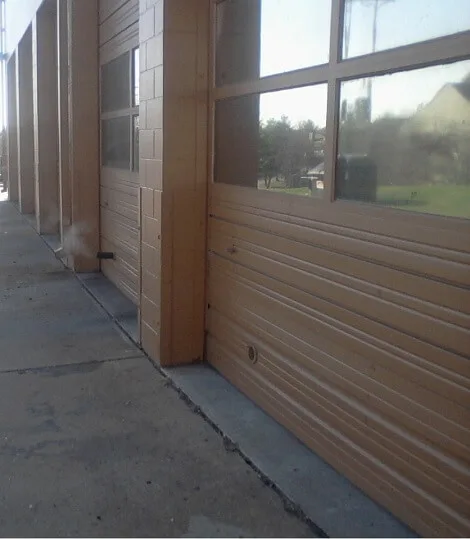
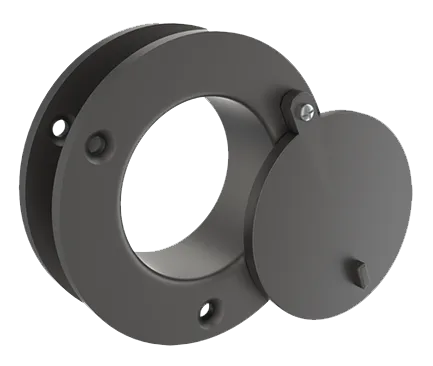
 WARNING: Vehicle Exhaust is extremely dangerous and potentially deadly. We always recommend that any system be properly engineered to meet the specifications of your application. If you are using our Crushproof system, we recommend that you use it with a fan and as an intermittent repair solution only, not to be run for long periods of time. This hose is to be used only with naturally aspirated 4 cycle engines running at an idle and under no load. We recommend keeping any run of hose as short as possible preferably 11' or under and sized to include ambient air to cool the exhaust temperatures. This hose is designed to handle frequent temperatures up to 400° and intermittent temperatures to 600°. When using Crushproof hose for the first time, watch closely to verify that the exhaust is exiting the building as designed. IF YOU SEE ANY EXHAUST COMING BACK INTO THE SPACE, THE HOSE IS NOT BEING USED PROPERLY. TURN THE VEHICLE OFF IMMEDIATELY AND CALL OUR EXPERTS.