How to Guide: Crushproof Exhaust
Your step-by-step DIY guide to building the right garage exhaust removal kit — hoses, adapters, fans, and accessories, all explained.
Why Proper Exhaust Removal Matters
Opening a garage door or running a box fan isn't enough. Vehicle exhaust contains a dangerous mix of compounds — including carbon monoxide (CO), nitrogen oxides, sulfur dioxide, and particulate matter — that accumulate in enclosed spaces faster than most people realize. In smaller garages and home workshops, dangerous concentrations can build up within minutes of a vehicle starting.
Carbon monoxide is the most immediate threat. It's colorless, odorless, and at low levels causes headaches, dizziness, and impaired judgment. At higher concentrations, CO exposure can be fatal. Studies have shown natural ventilation alone can leave CO levels well above OSHA's permissible limits — even with doors and windows open, particularly in colder months.
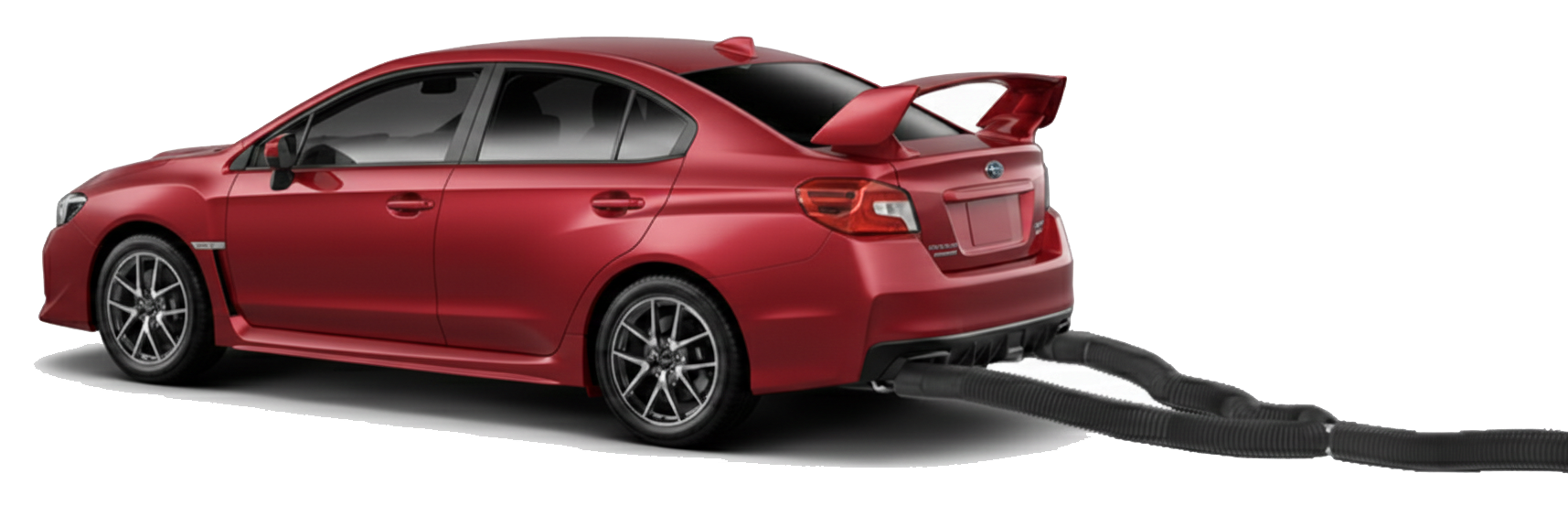
The most effective solution is exhaust removal — extracting vehicle exhaust directly from the source before it enters into the air you breathe. Crushproof systems connect to the vehicle's tailpipe through a properly-sized adapter and hose, capturing harmful emissions at the source and directing them safely outside.
Essential safety practices:
→ Always use a tailpipe adapter with a quality hose — even if doors and windows are open.
→ Replace damaged or worn hoses immediately. A leaking hose defeats the entire system.
→ Inspect your setup regularly and check powered systems daily.
→ The first time you use a Crushproof setup, watch closely to confirm exhaust is exiting properly. If any exhaust re-enters the space, shut the vehicle off immediately and contact us.
Before selecting any products, confirm a Crushproof system is the right solution. This step saves you time, money, and a return shipment — and makes sure your setup actually keeps you safe.
1.1 — Vehicle TypeCrushproof hose systems work with a wide range of light-duty vehicles running at idle. The key requirement is that the engine is not under load — that's covered in Step 1.2.
✅ Cars & Light Trucks: Passenger cars, light trucks, SUVs — the most common Crushproof application.
✅ Motorcycles & ATVs: Compatible at idle and within 11 ft of the exit point.
This is the most important rule: Crushproof hose is designed for engines running at idle only, under no load. This is your standard configuration. Under-load applications — dynos, PTOs, generators — generate heat and exhaust volume beyond what these hoses are rated to handle, and require a commercial configuration with custom system design.
✅ Idle, no load: Crushproof is the right choice — proceed.
⛔ Under load of any kind: This requires a commercial configuration — a custom-engineered system designed for sustained heat, high exhaust volume, and continuous operation. Talk to an Expert →
✅ Undercarriage exhaust: Most common — proceed with Crushproof selection.
⚠️ Vertical stack: Standard configurations can work in some cases, but vertical exhaust routing often requires a commercial configuration with engineered airflow specs. Not sure which applies to your setup? Talk to an Expert →
✅ 1 or 2 engines: Proceed to Step 2.
⛔ 3+ engines at once: This is a commercial configuration — multi-bay systems require custom design to properly size airflow, ducting, and extraction across simultaneous vehicles. A standard configuration won't cover it. Talk to an Expert →
Try our interactive Exhaust System Design — answer some quick questions and we'll recommend the right products for your exact setup.
The hose is the backbone of your system. Choosing the wrong type, diameter, or length is one of the most common — and costly — mistakes. Get these three things right and everything else is straightforward.
2.1 — Hose DiameterHose inner diameter (I.D.) must be compatible with both your tailpipe adapter and fan inlet — all three must match. An undersized hose creates excessive back pressure and heat buildup, shortening hose life and reducing performance. For most standard passenger vehicles and light trucks, 4" is the most common size.
2.2 — The 11-Foot Rule & When You Need a FanCrushproof hose can be used without a fan as long as the engine is at idle and the exit point is within 11 feet. Beyond 11 feet, exhaust loses the pressure and velocity needed to exit on its own — a portable fan pulls it through. The hose itself is still Crushproof; you're just adding a fan to assist over the longer distance.
Measure the full path from the tailpipe to where exhaust exits the building, including every bend. Bends add resistance — if you're close to 11 feet with multiple turns, add a fan.
Beyond 11 ft? Add a portable fan. Crushproof hose still works — the fan assists airflow over the longer run.
All Crushproof hoses handle frequent temperatures to 400°F and intermittent temperatures to 600°F. Dyno Hose is the exception at 700°F with fan assistance. Choose based on how and where the hose will be installed.
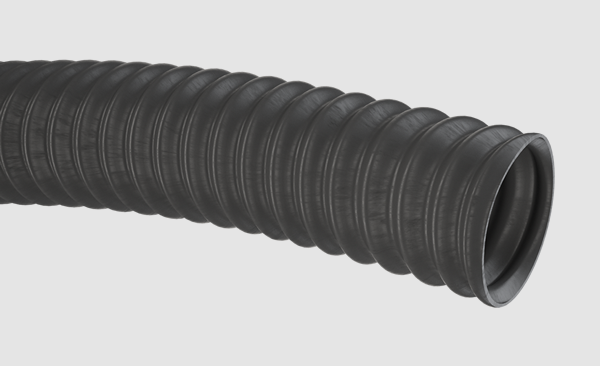
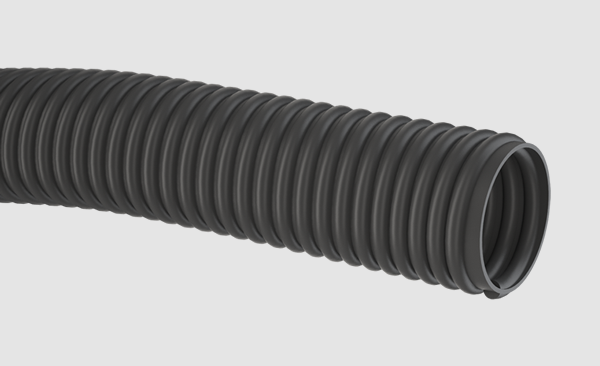
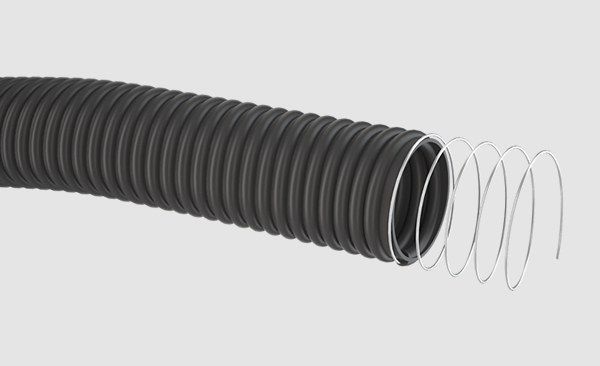
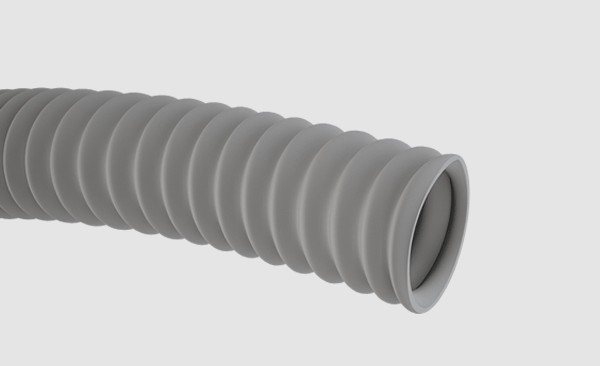
Need more than a standard hose run? Overhead hose reels, multi-bay routing, drop-hose systems, or any application with complex routing moves into commercial configuration territory. These setups require custom design to ensure proper airflow, safe temperatures, and code compliance. Talk to an Expert →
If vehicles will drive over the hose on the floor, the ACT No-Wire Hose is exactly what you need. No wire helix means it returns to its original shape even after being run over — no kinking, no damage, no replacing it every season.
No exhaust removal system is complete without the right tailpipe adapter. It attaches directly to the vehicle's tailpipe and creates the critical seal between the vehicle and hose — capturing fumes at the source before they ever enter your workspace.
Correct adapter selection also protects the hose from heat damage and extends its life. Crushproof adapters are rated to 600°F and are available with optional spring clamps and plug options.
3.1 — Tailpipe Shape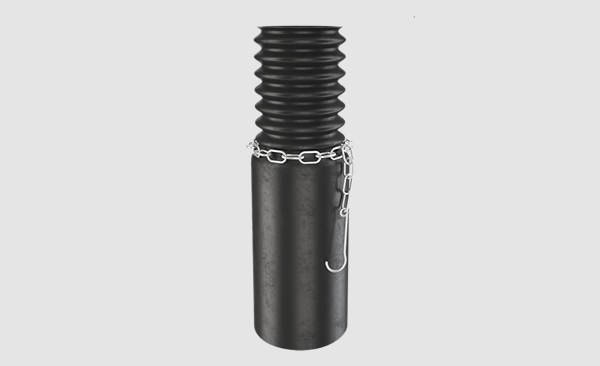
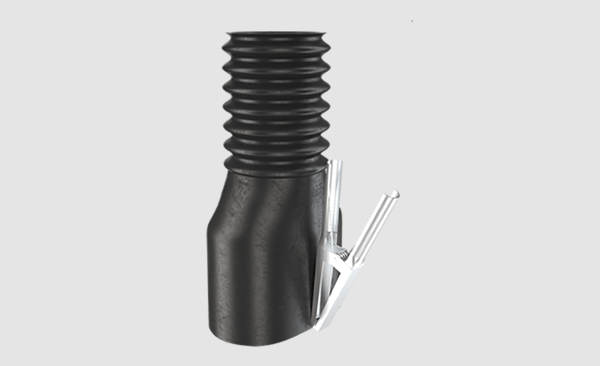
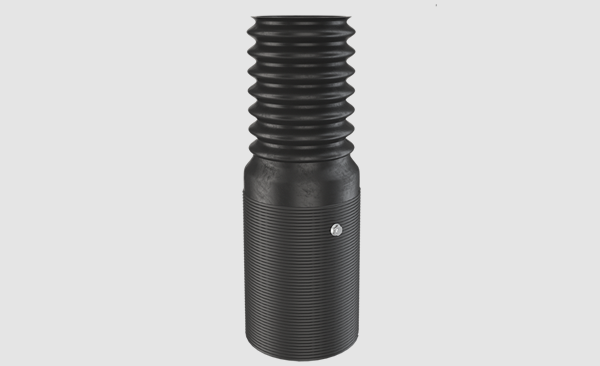

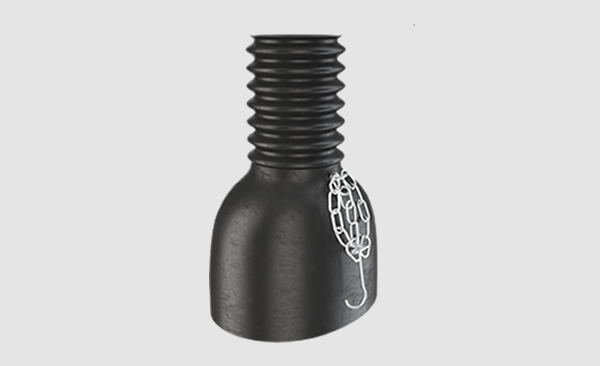
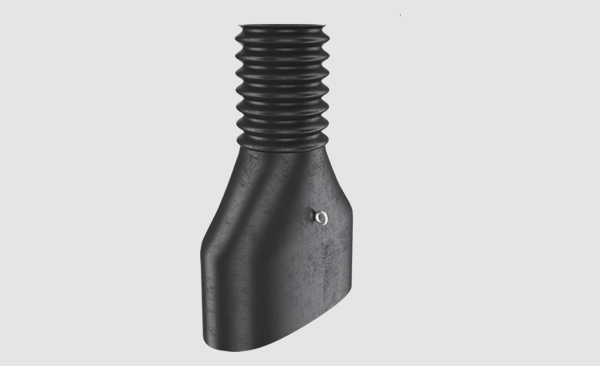
Measure the outside diameter (O.D.) of your tailpipe. Your adapter's inner diameter must be at least ½" larger. The gap allows ambient air to mix with exhaust, keeping system temperatures manageable and preventing premature hose failure. A tight fit will cause overheating.
Example: Tailpipe O.D. = 2.5" → You need an adapter with at least a 3.0" I.D.
Most adapters include a hook and chain assembly that attaches to the vehicle's frame, holding the adapter securely on the tailpipe during operation. Newer vehicles with flush tailpipes use the suction cup adapter, which holds itself against the vehicle body and creates a capture shroud around the exhaust outlet.
Always leave at least a ½" gap between the tailpipe and adapter I.D. This lets ambient air mix with exhaust, keeping system temperatures lower and extending hose life. A tight fit will cause overheating and premature failure.
All exhaust captured by the system must exit the building. Where and how far that exit point is determines whether you need a fan and what accessories complete the run.
4.1 — Where Will Exhaust Discharge?✅ Outside through a wall, garage door, or dedicated port: This is what Crushproof systems are designed for. Proceed to Step 4.2.
The same 11-foot rule applies. Measure from the vehicle tailpipe to where exhaust exits the building — full path, including bends. Position the discharge point away from any building air intakes.
✅ 11 ft or less: A fan is not required (though always beneficial).
⛔ Over 11 ft: Add a portable exhaust fan — see Step 6.
Don't measure in a straight line from tailpipe to exit point. Walk the actual hose route — around lifts, along walls, through bends — and add up every foot. Underestimating your run length is the #1 reason shops end up with a fan-less setup that underperforms.
If the hose passes through a closed or partially-open garage door, a door exhaust port creates a dedicated, properly-sized pass-through. Without one, the hose bends sharply at the door edge — kinking is one of the most common causes of premature hose failure, leading to tears, leaks, and exhaust re-entering the workspace.
Available in rubber and aluminum. Match port diameter to both your door opening and your hose diameter.
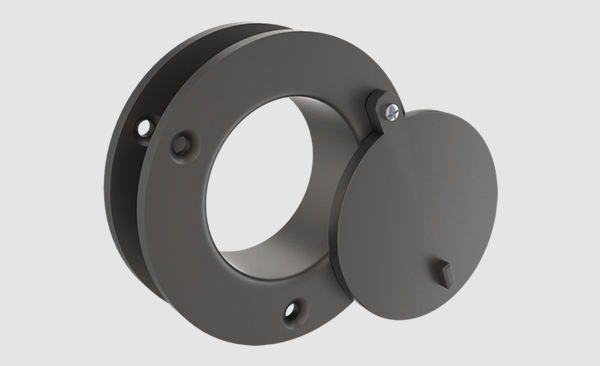
Door ports are consistently the most skipped item in home garage setups. The few dollars saved skipping this step won't cover replacing a kinked hose — let alone the safety risk of exhaust leaking back in.
Required for any hose run over 11 feet. Even for shorter runs, a fan increases capture effectiveness and adds a meaningful safety margin — it actively pulls exhaust through rather than relying on engine pressure alone.
⚠️ Hose is not included with any fan. Order your hose separately per Step 2 and confirm the fan inlet size matches your hose diameter.
6.1 — Fan Opening SizeFan inlet must match hose diameter exactly. A mismatch creates air leaks that dramatically reduce performance and allow exhaust to escape into the workspace.
6.2 — Cast Aluminum vs. Steel HousingBoth deliver equivalent airflow. The difference is durability, weight, and frequency of use. All fans include a soft carry handle, padded base to protect floors, and standard single-phase power. 3-phase available on request.
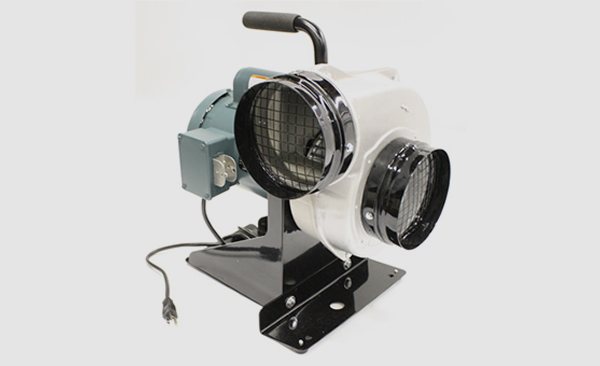
Cast Aluminum Fan
- Heavier-duty, built for daily long-term use
- Cast aluminum housing — resists corrosion and impact
- Best for shops using the fan multiple times per day
- Soft carry handle + padded base
- 1-phase standard; 3-phase on request
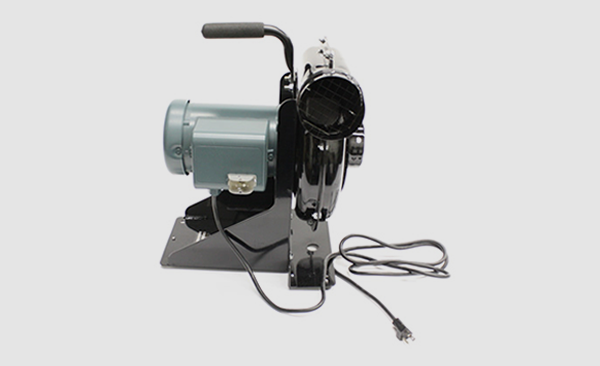
Steel Housing Fan
- Lightweight — easy to move between bays or jobs
- Steel housing — durable and cost-effective
- Best for occasional or hobbyist use
- Soft carry handle + padded base
- 1-phase standard; 3-phase on request
✅ Standard wall outlet (1-phase): All fans are plug-and-play — no special wiring or installation required.
✅ Three-phase power: Available on request — contact our team.
Daily shop use or multiple vehicles? Invest in cast aluminum — it's built for the repetition. Occasional home hobbyist who stores the fan between sessions? The steel housing fan is lighter, easier to carry, and more than capable for that use case.
Depending on your garage or shop layout, a few extra components may be needed to complete the system. Review your hose route before finalizing your order.
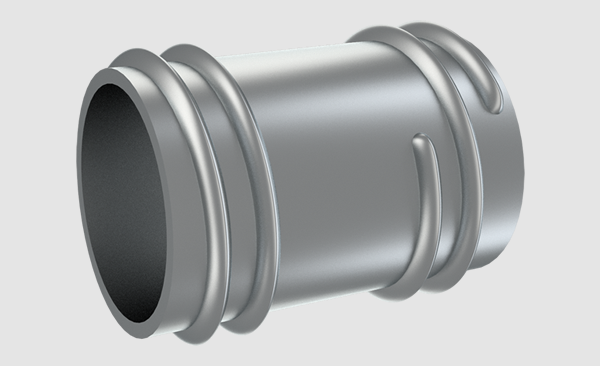
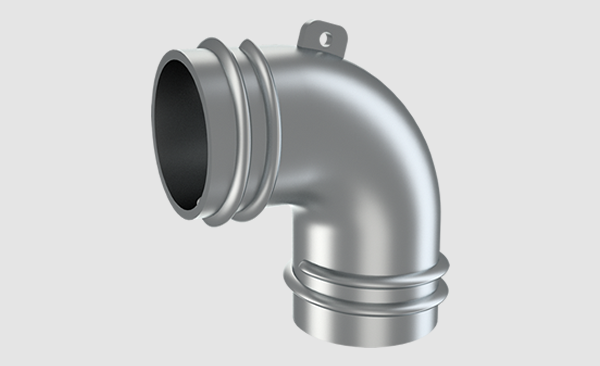
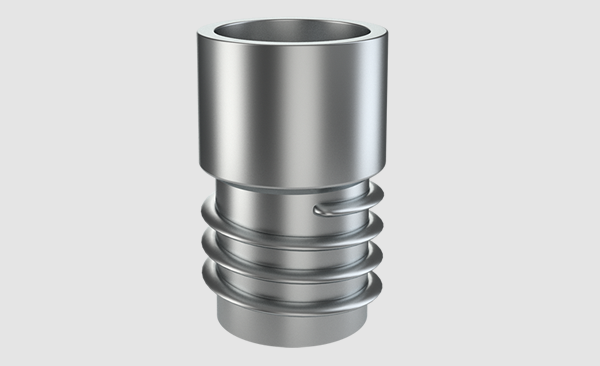
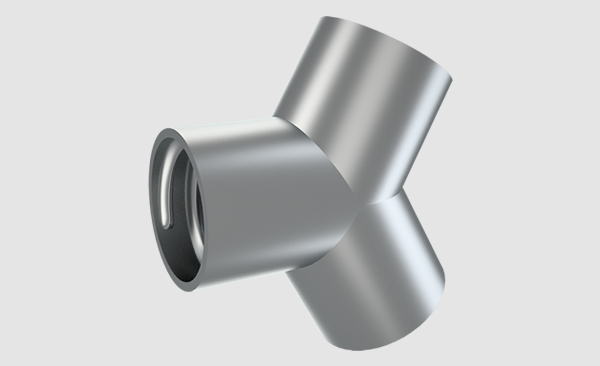
Every bend adds resistance and reduces airflow. Position your fan to minimize direction changes. If multiple bends are unavoidable, factor that into your fan sizing — tighter, longer runs may need more capacity.
Before placing your order, run through this checklist. A compatibility issue caught now is a five-minute fix — discovered after everything arrives, it's a return, a re-order, and time your vehicle isn't being serviced safely.
Your Pre-Order Checklist
Confirm all five points before purchasing
- Hose size is compatible with both the tailpipe adapter and the fan inlet — all three must match in diameter.
- Adapter I.D. is at least ½" larger than your tailpipe O.D. — this air gap is required for temperature management, not optional.
- Fan is included if your total hose run from tailpipe to exit exceeds 11 feet — measured along the full path, including bends.
- Garage door port is included if the hose will pass through any door or wall opening.
- Routing is fully accounted for — bends, direction changes, or dual exhaust handled with the right accessories.
 WARNING: Vehicle Exhaust is extremely dangerous and potentially deadly. We always recommend that any system be properly engineered to meet the specifications of your application. If you are using our Crushproof system, we recommend that you use it with a fan and as an intermittent repair solution only, not to be run for long periods of time. This hose is to be used only with naturally aspirated 4 cycle engines running at an idle and under no load. We recommend keeping any run of hose as short as possible preferably 11' or under and sized to include ambient air to cool the exhaust temperatures. This hose is designed to handle frequent temperatures up to 400° and intermittent temperatures to 600°. When using Crushproof hose for the first time, watch closely to verify that the exhaust is exiting the building as designed. IF YOU SEE ANY EXHAUST COMING BACK INTO THE SPACE, THE HOSE IS NOT BEING USED PROPERLY. TURN THE VEHICLE OFF IMMEDIATELY AND CALL OUR EXPERTS.